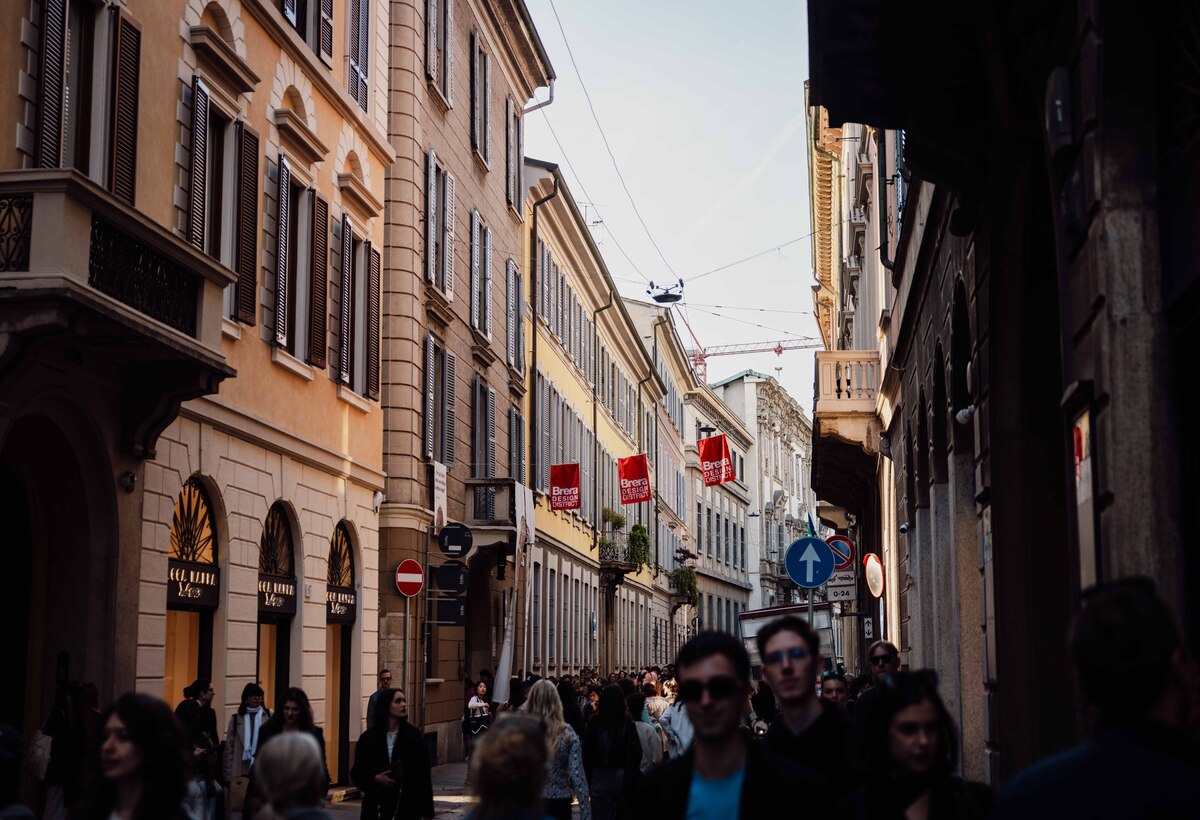
Image courtesy of Fuorisalone.it
Milan Design Week 2026: The Interior Design Trends Defining Contemporary Luxury
Every year, Milan Design Week 2026 offers a glimpse into the future of design. Beyond the installations, presentations, and product launches, it reveals a broader shift in how people want to live, experience comfort, and interact with materials. This year, the message was clear: design is becoming warmer, softer, and more tactile.
Across the collections presented by brands at OBEGI Home, including Flexform, Poliform, Porada, Lualdi, Tribù, and antoniolupi, several themes emerged. Some evolved from previous years, while others introduced a new perspective on contemporary living. Together, they highlighted a new design direction to be soon taken into effect worldwide.
Chocolate & Caramel Tones Continue Their Reign
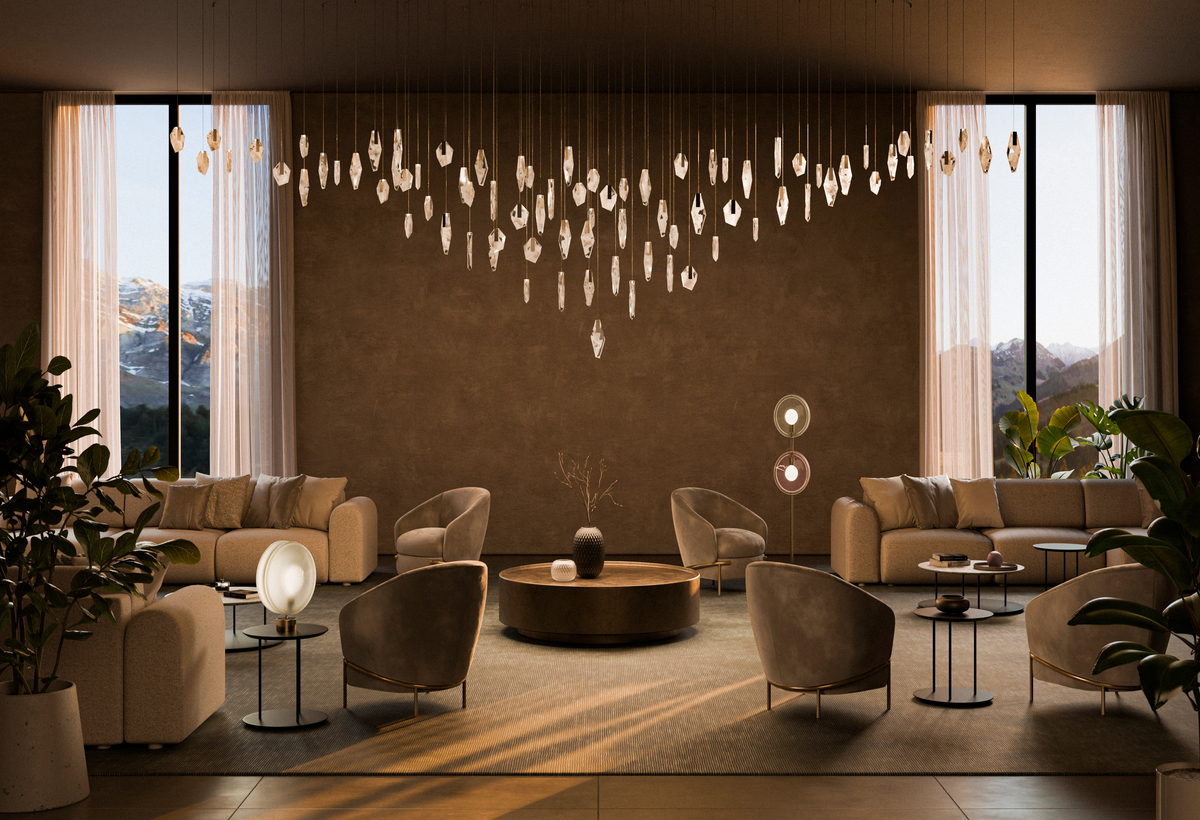
Warm neutral palettes remained one of the most dominant trends throughout Milan Design Week 2026. Chocolate browns, caramel hues, toasted coffee shades, and rich mocha undertones appear consistently across rugs, sofas, side furniture, wall treatments, and decorative finishes. Unlike the beige shades that defined previous decades, these tones create interiors that feel layered, grounded, and inviting.
At Porada’s Salone del Mobile exhibition, soft caramel upholstery was paired with textured fabrics and dark timber details to create spaces that felt understated yet deeply luxurious. Meanwhile, several pieces embraced warm brown lacquers and mocha-toned finishes that added depth without overwhelming the space.
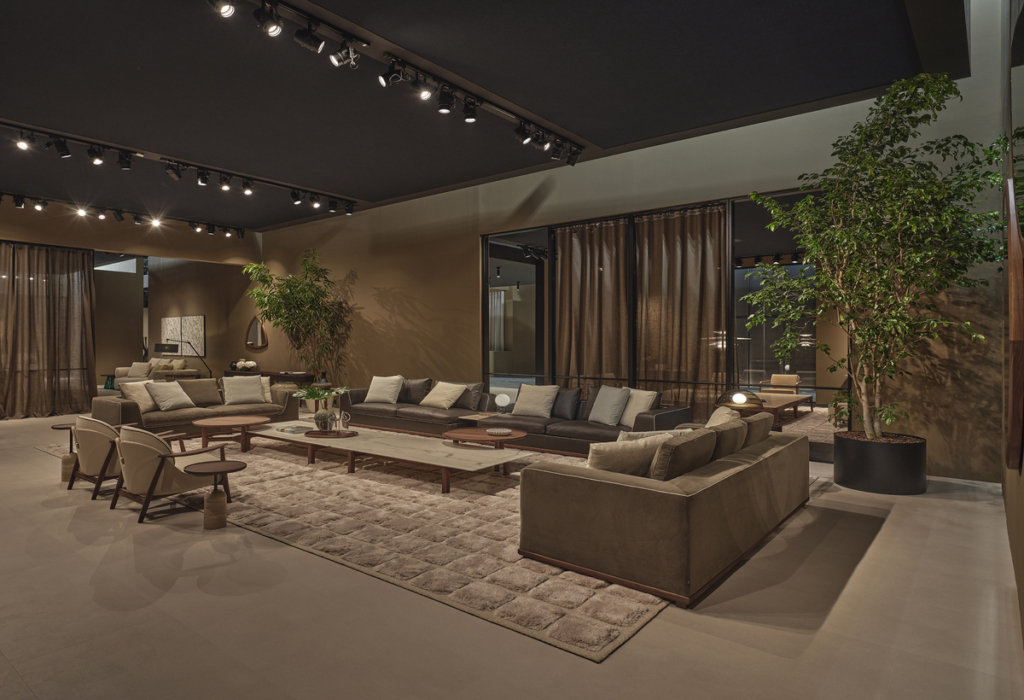
Image Credit: Porada
Burgundy Moves Beyond Rosso Levanto
Burgundy remained a strong presence at Milan Design Week 2026, but this year the trend evolved significantly. In 2025, the influence of burgundy was felt primarily through materials such as Rosso Levanto marble, however this year, the color itself took center stage.
Rather than appearing in statement pieces, lounge chairs, dining seating, and large upholstered elements, the color was now restrained to stone applications, occasional touches, and selective details. Deep wine tones and burgundy leather were used more generously, creating interiors that felt richer, warmer, and more expressive. Unlike brighter reds, burgundy carries a softness and maturity that works beautifully within residential interiors. It is paired naturally with smoked glass, dark woods, brushed metals, and textured fabrics, all of which were strongly present throughout this year’s presentations.
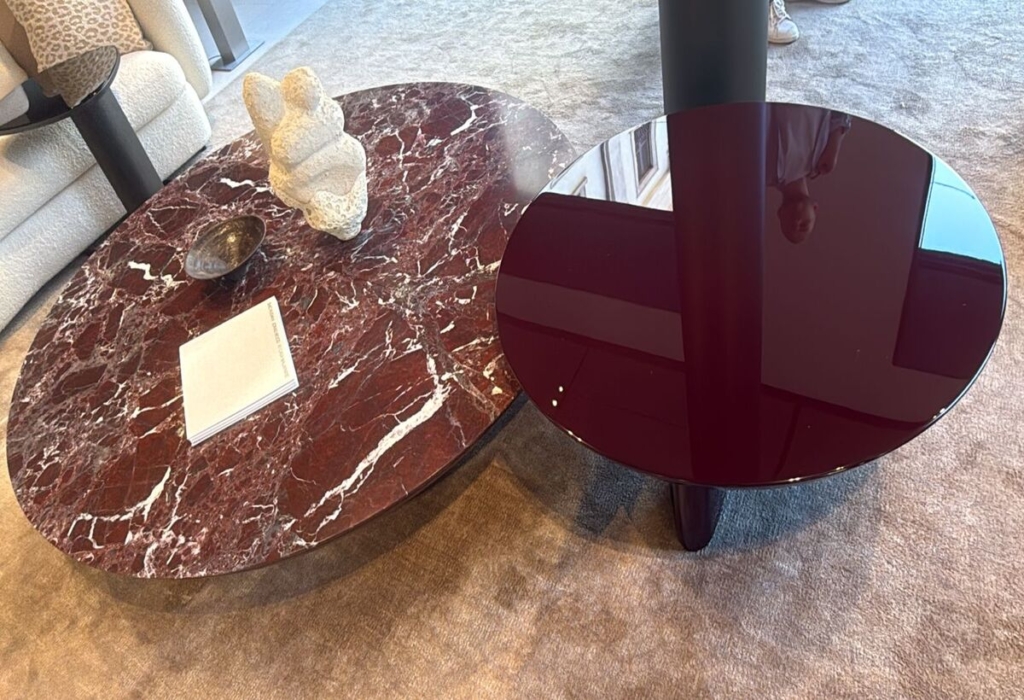
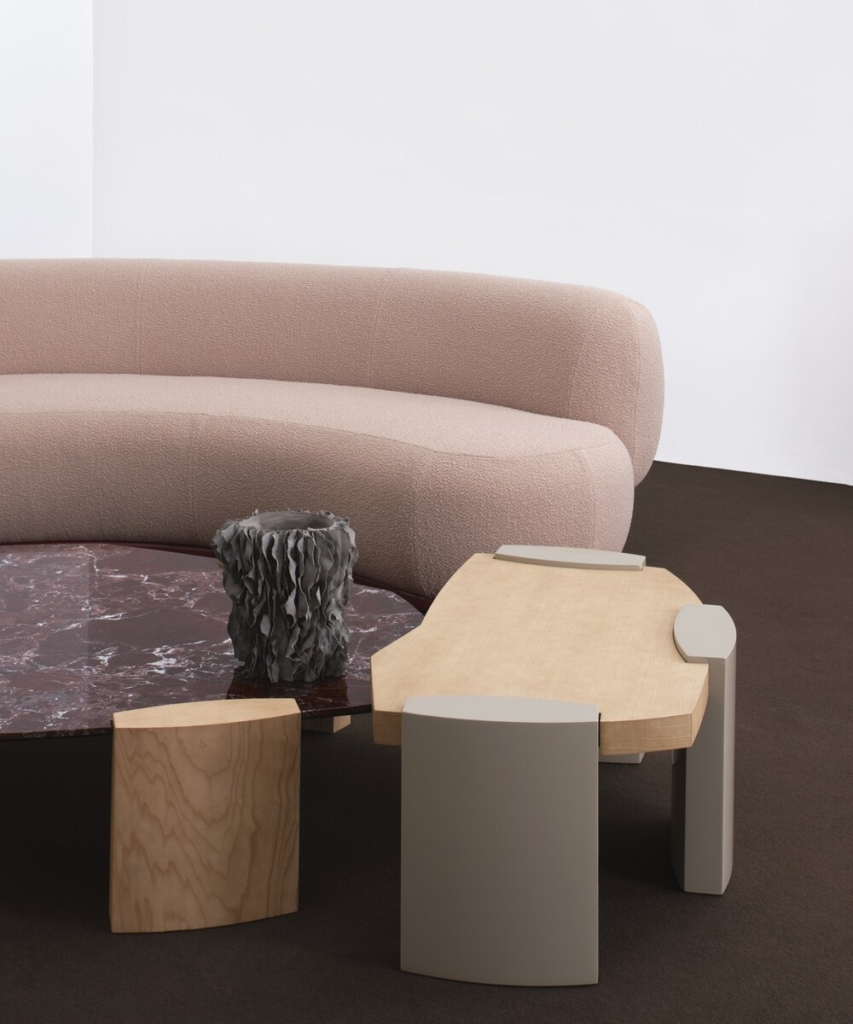
Image Credit: Secolo
The Rise of Light Oak & Softer Finishes
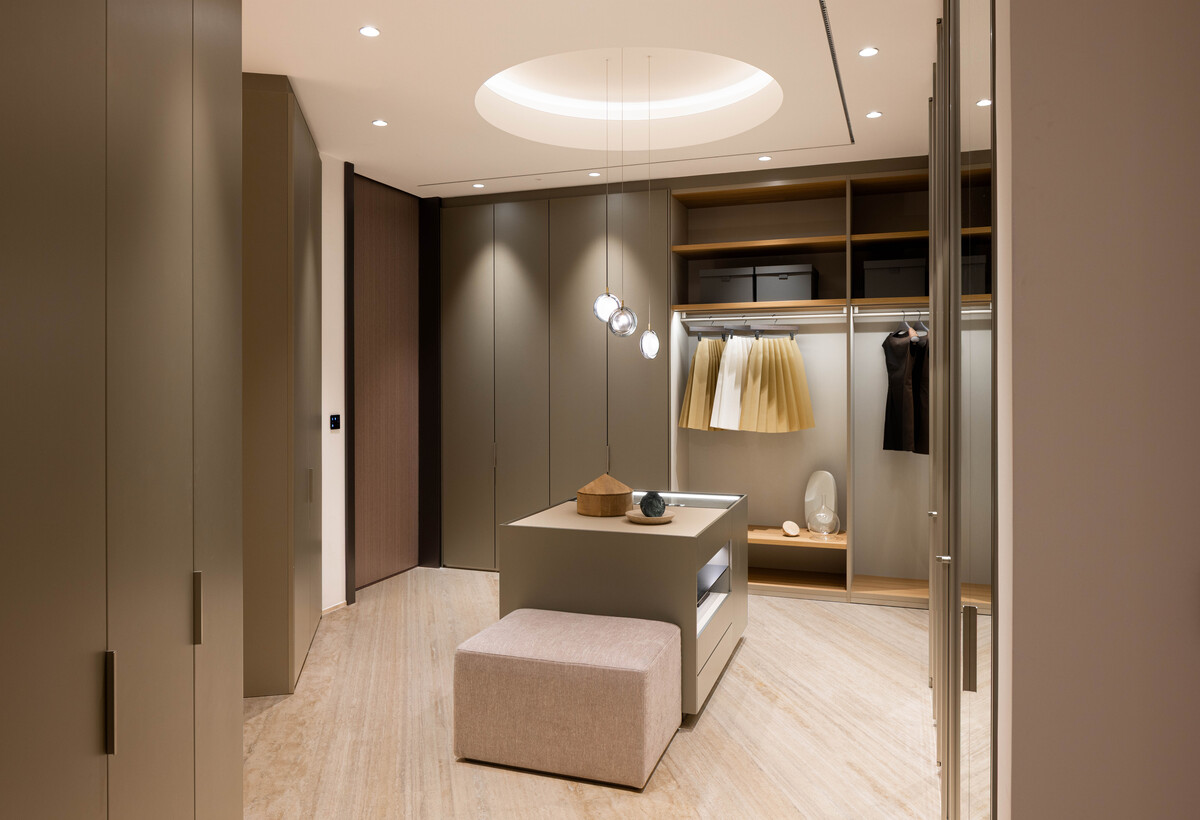
One of the most noticeable materials shifts this year was the move toward lighter wood finishes. While darker wood remains important, many brands introduced light wood tones that brought a brighter and more relaxed atmosphere to their collections. The appeal of light finishes also lies in their adaptability. They work effortlessly within both contemporary and classic settings, allowing designers greater flexibility when layering materials, fabrics, and architectural elements.
Poliform introduced the Harp kitchen, where curved forms were paired with light oak finishes, marble worktops, and brushed steel details, creating a softer and more fluid interpretation of the contemporary kitchen.
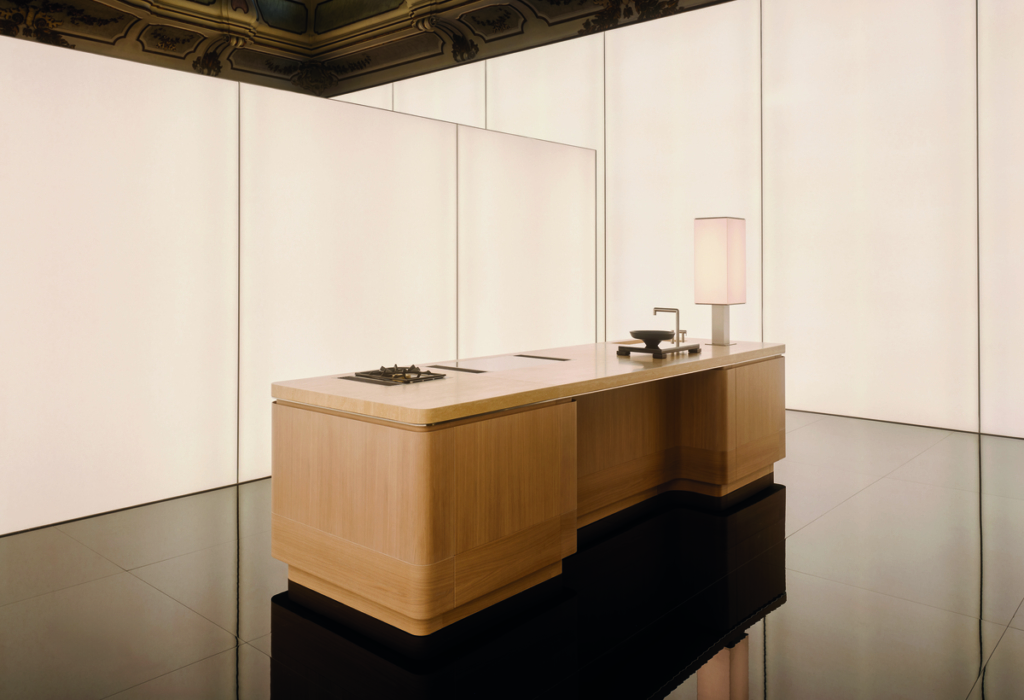
Image Credit: Poliform
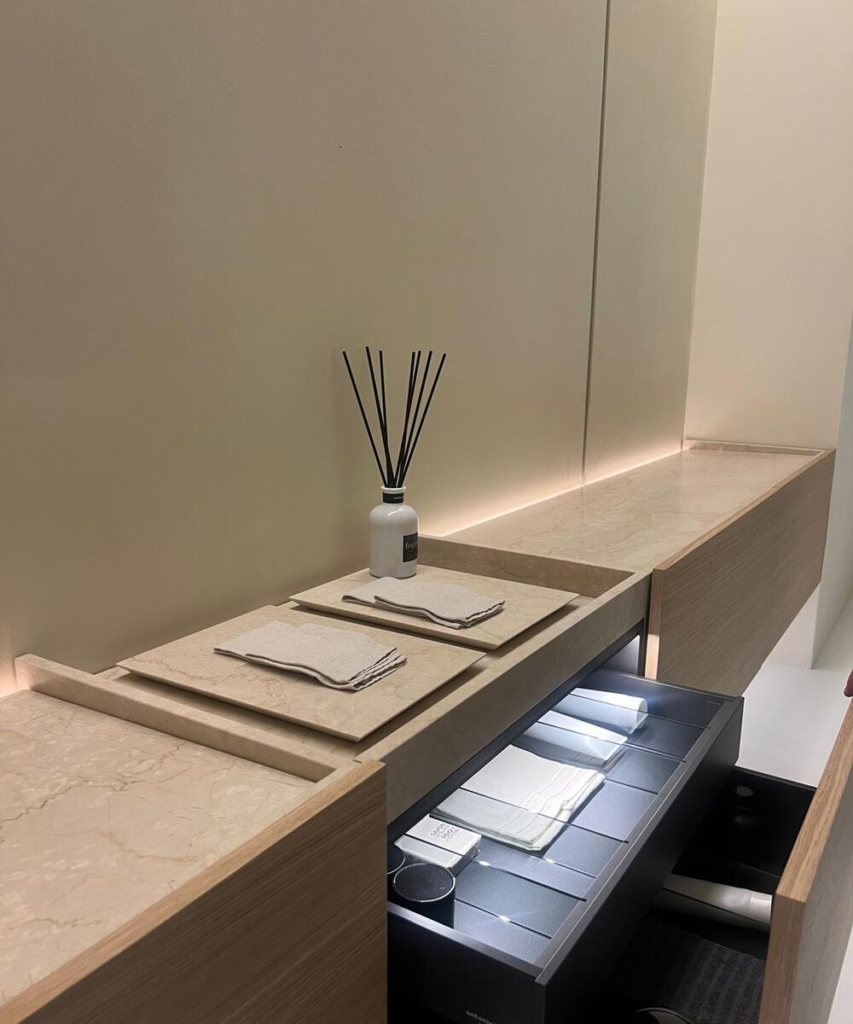
Similarly, antoniolupi introduced Botticino marble across multiple products, using the material to create a softer and more luminous interpretation of stone within the space.
Glossy Touches, Reimagined with Restraint
Gloss is returning, but in a far more refined way than before.
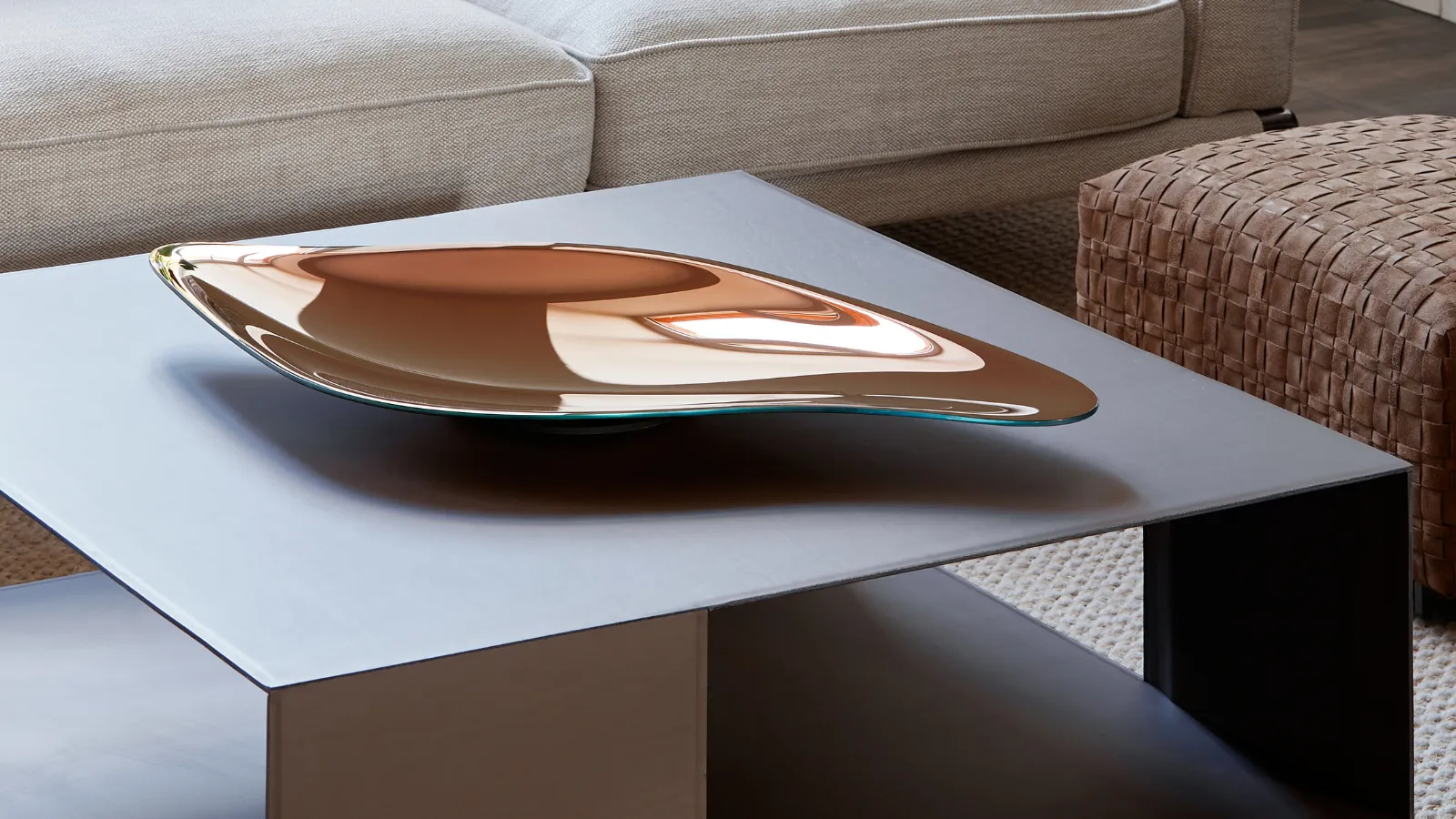
Rather than fully reflective glossy surfaces, brands introduced partial glossy touches that enhance materials without concealing their authenticity. Wood grains remained visible, textures remained tactile, and finishes retained a handcrafted appearance despite their polished effect. This gloss detail appeared across cabinetry, tables, consoles, armchairs, sofa, and bathroom surfaces.
The key difference in 2026 is that gloss is no longer about uniform shine or surface dominance. Instead, it is used strategically as an accent to highlight craftsmanship, introduce contrast, and draw attention to specific material moments within a piece.
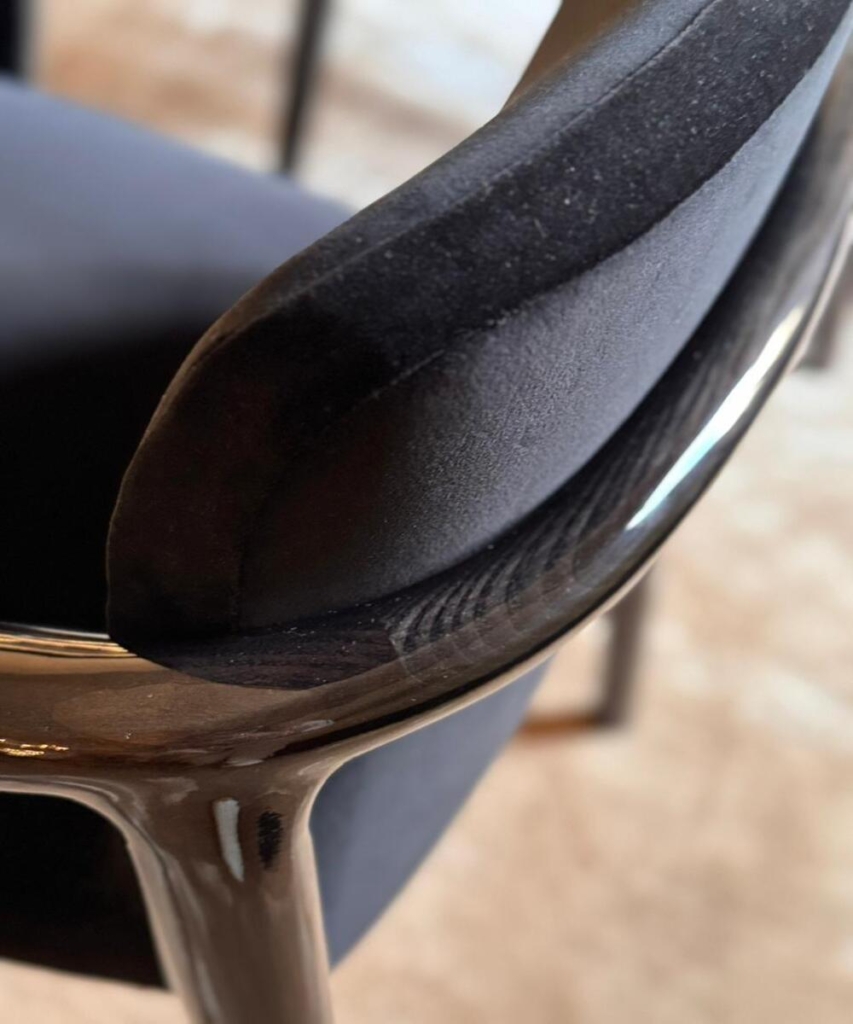
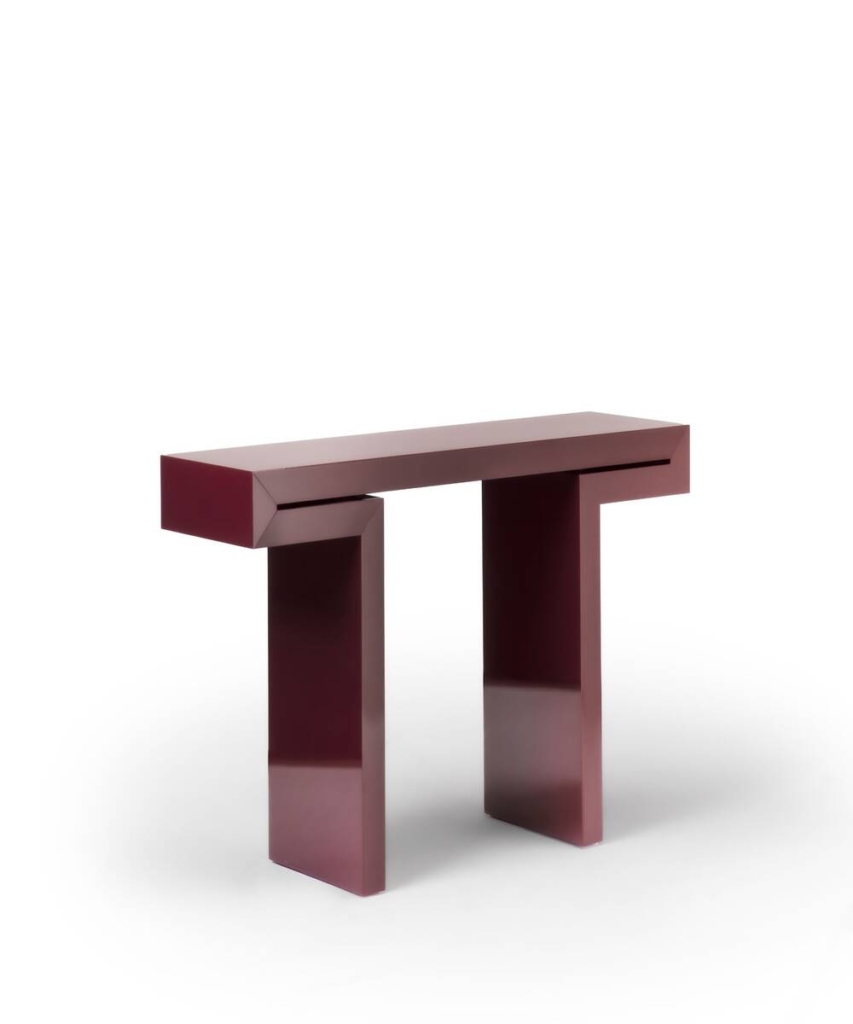
Image Credit: Porada
A Stronger Focus on Texture & Tactility
Designers and manufacturers are placing increasing emphasis on how materials feel, not just how they look. This was evident across multiple categories, where production techniques were used as a design statement in themselves. The focus has shifted toward revealing how objects are made, with craftsmanship becoming part of the visual language rather than something concealed. Material transitions, detailing, and finishing methods are intentionally exposed.
In bathroom design, antoniolupi introduced new basin concepts that explored advanced fabrication methods such as 3D printing, where layered patterns and surface traces were deliberately left visible to highlight the making process behind the product.
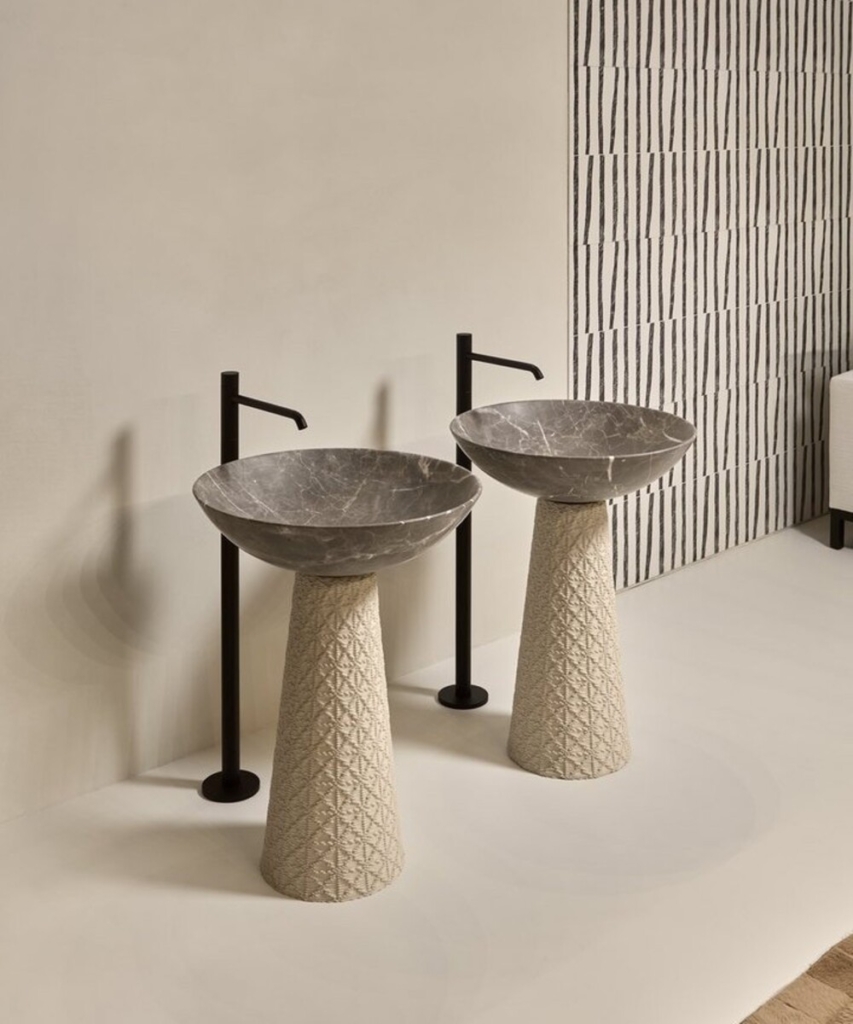
Image Credit: Antoniolupi
In upholstery, Flexform emphasized precision in detailing, from hand-applied rope work to carefully executed leather finishes, where the way materials are assembled, tensioned, and finished becomes as important as the final form itself.
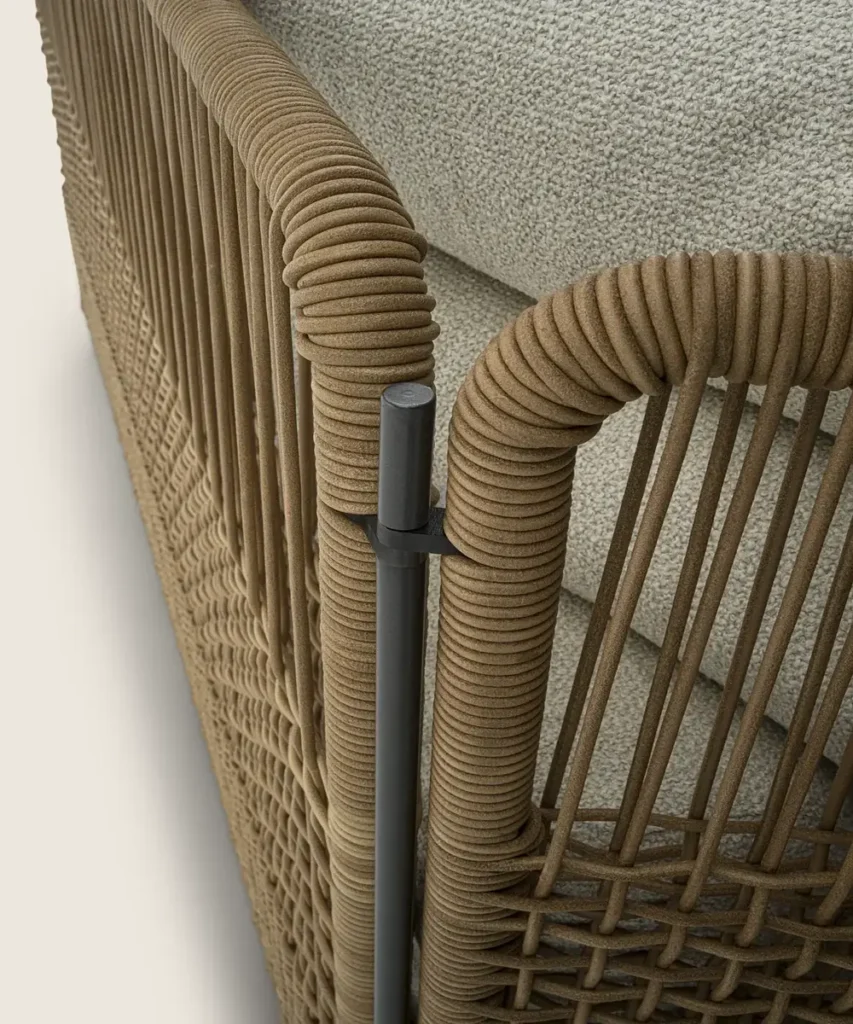
Image Credit: Flexform
Larger Than Life: The Shift to Overscaled Design
Scale was another defining trend throughout Milan Design Week 2026. Sofas became deeper and longer, while tables embraced increasingly generous proportions. This evolution toward oversized design is particularly relevant for the Middle East, where residential projects often feature expansive layouts, double-height ceilings, and open-plan living areas that require furniture with sizable presence.
Several brands embraced this larger-than-life approach through modular seating systems, monumental dining tables, and dramatic accessories. The emphasis was not simply on size, but on proportion. Pieces were designed to anchor spaces visually while maintaining softness and comfort.
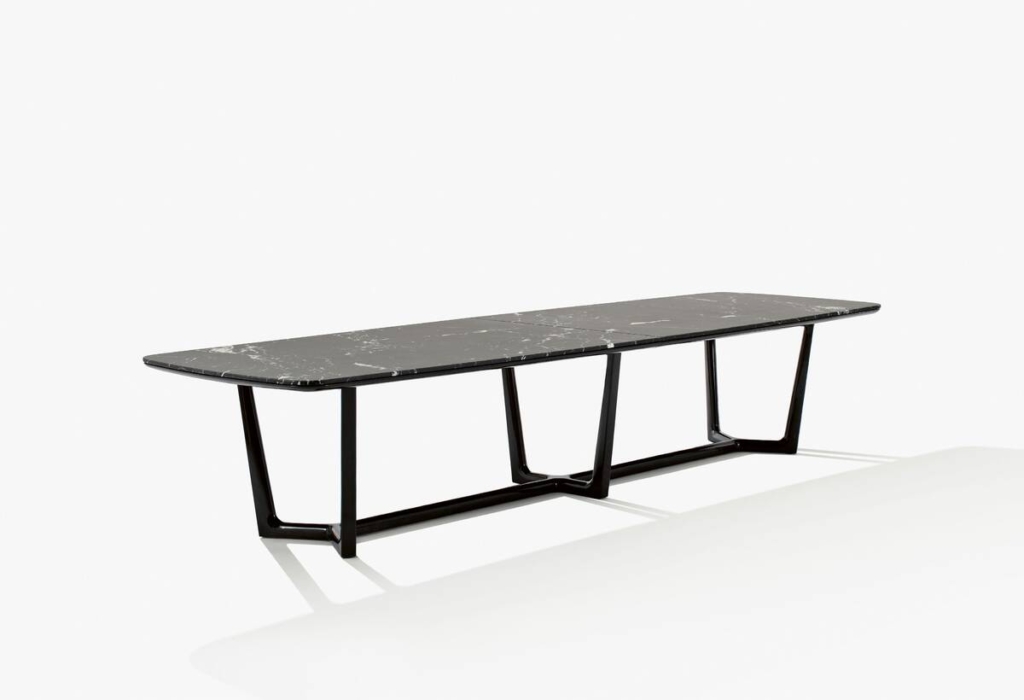
Image Credit: Poliform
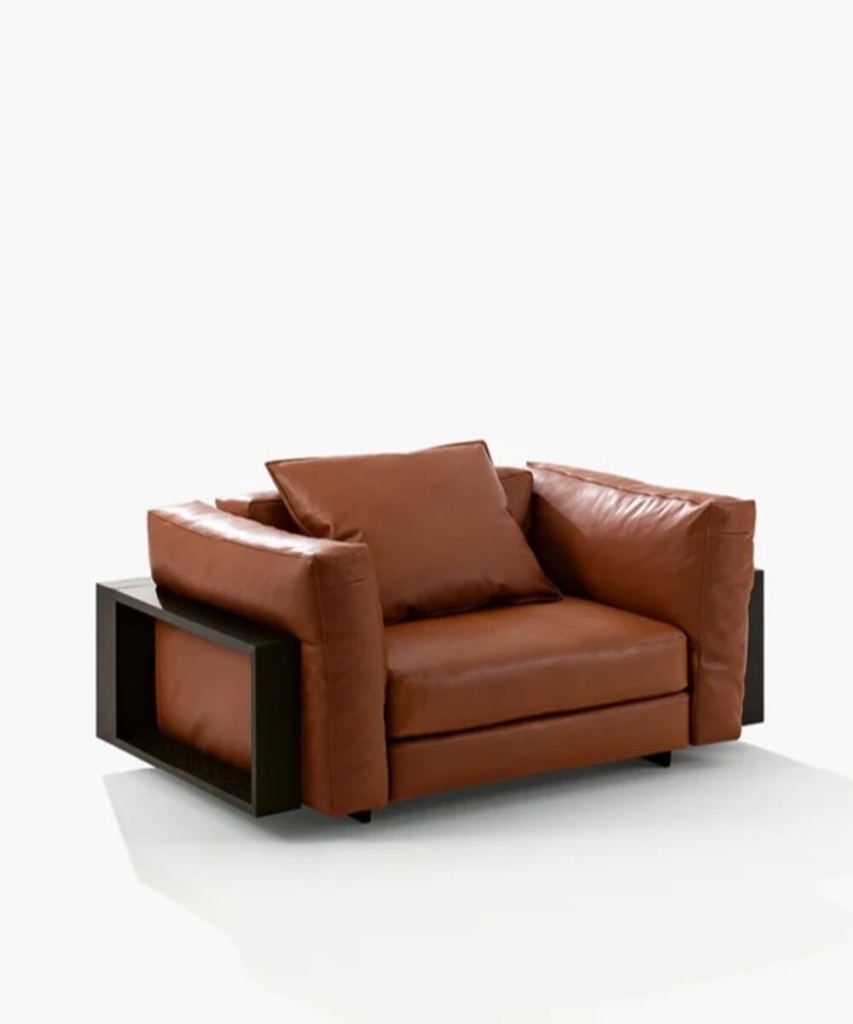
Image Credit: Poliform
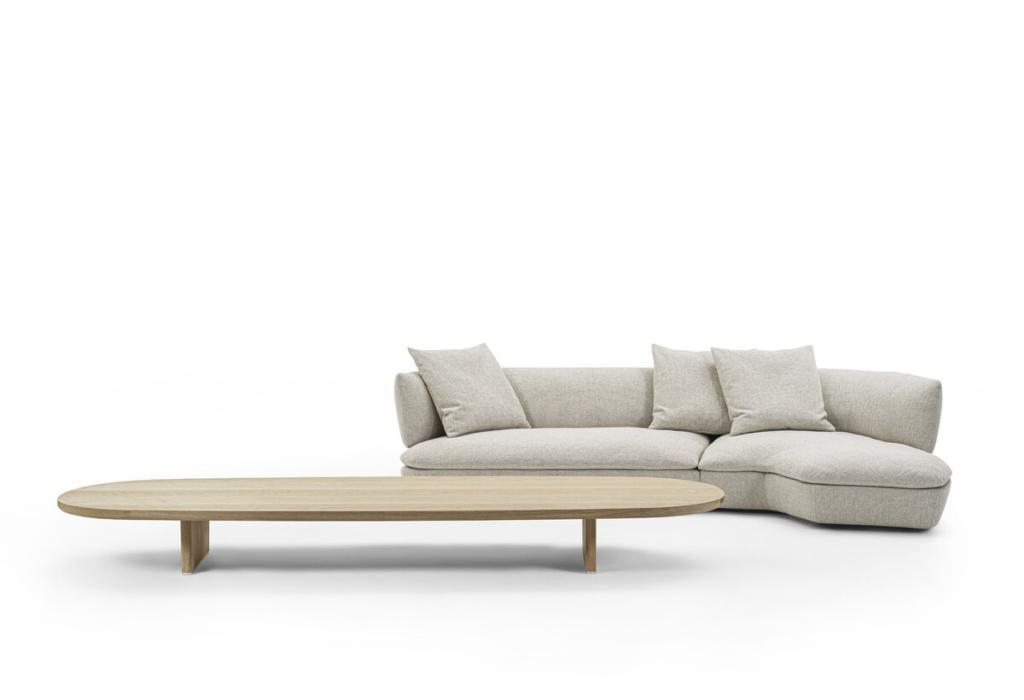
Image Credit: Flexform
Outdoor Moves Indoor
One of the most interesting evolutions this year was the blending of outdoor and indoor design languages.
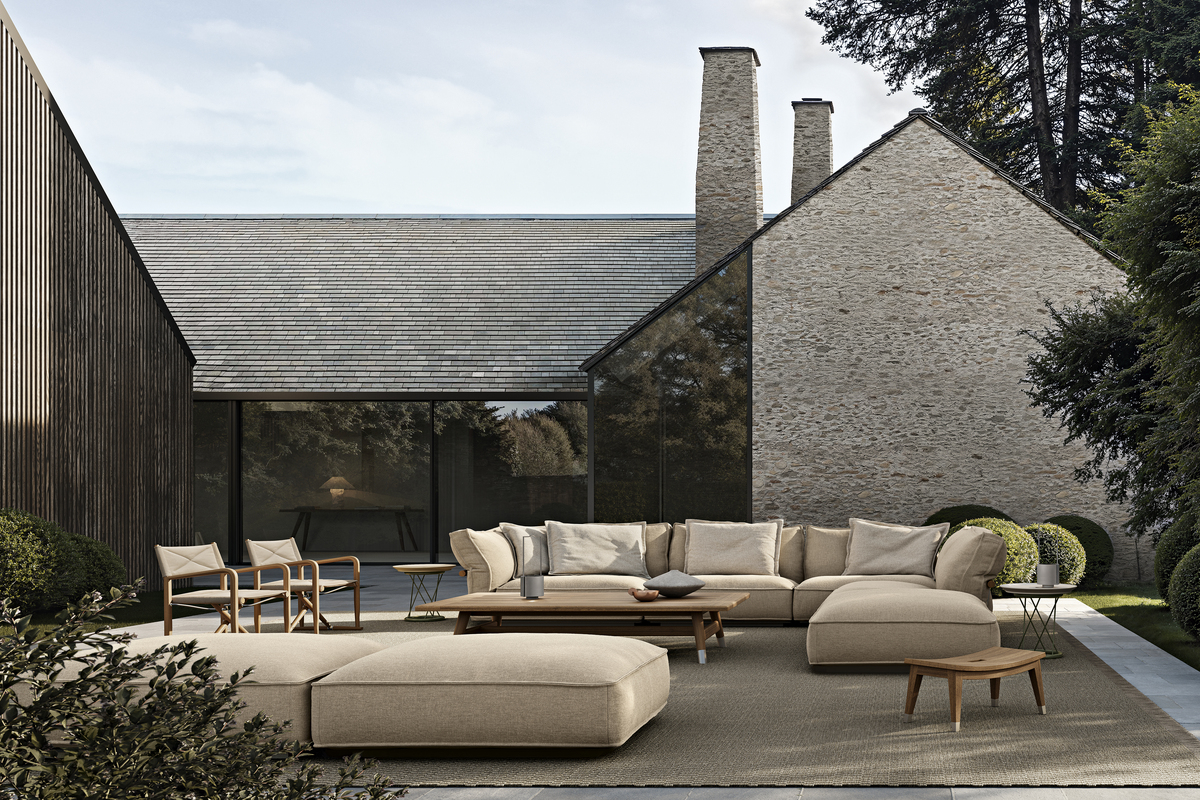
Brands traditionally associated with both interior-exterior living introduced collections that translated outdoor aesthetics into interior environments through more refined materials and finishes. Rope detailing evolved into leather weaving, outdoor-inspired silhouettes appeared in indoor seating, and relaxed resort-style forms became integrated into contemporary residential spaces.
This crossover makes perfect sense within modern living. Clients increasingly want interiors that feel calm, comfortable, and informal without sacrificing sophistication. Outdoor-inspired design introduces softness and ease into the home while maintaining strong craftsmanship and refined detailing.
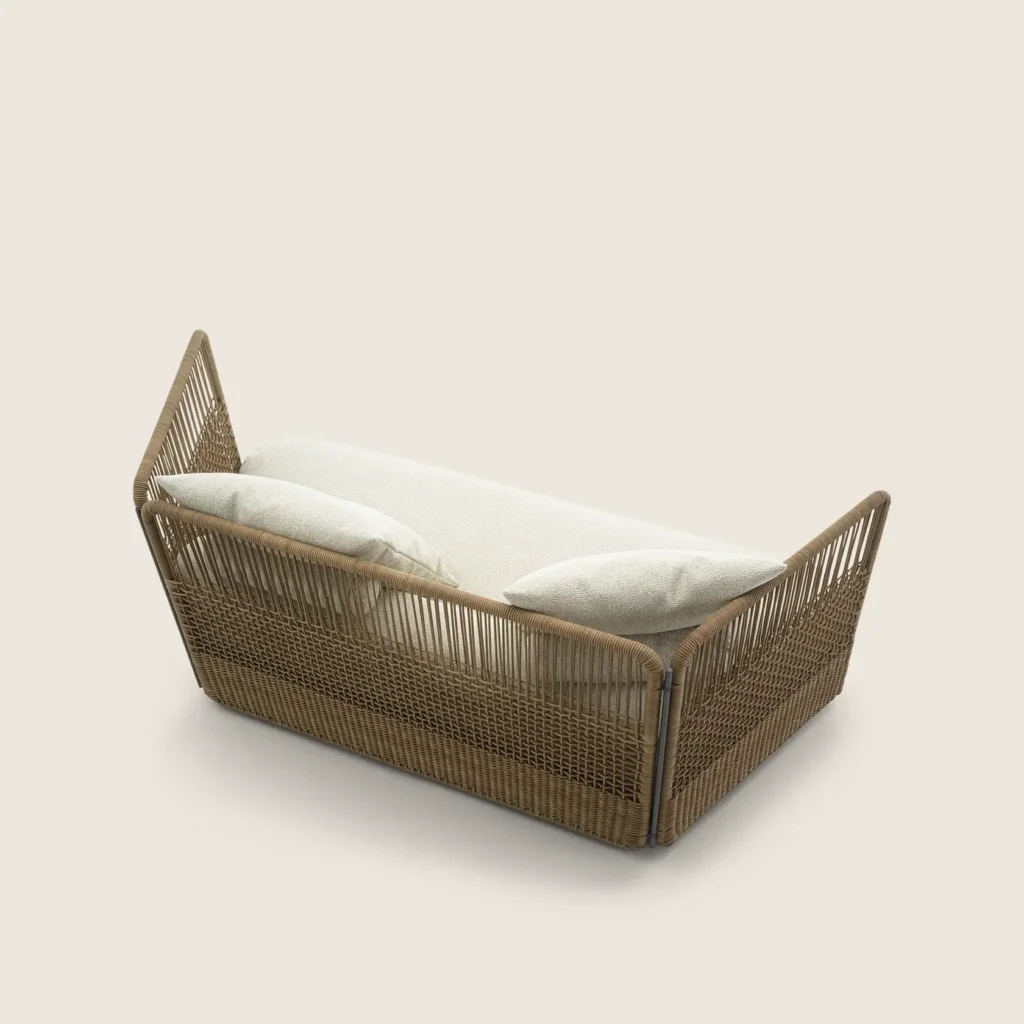
Image Credit: Flexform
Looking Ahead
Milan Design Week 2026 demonstrated that luxury interiors are evolving toward warmth, tactility, and emotional comfort. From chocolate-toned palettes and oversized furniture to light oak finishes and subtle gloss detailing, the focus is no longer on visual excess but on creating spaces that feel timeless, layered, and deeply livable.
This year’s collections proved that design is becoming more human-centered. It is less about perfection and more about atmosphere, texture, and the experience of living with design every day.